

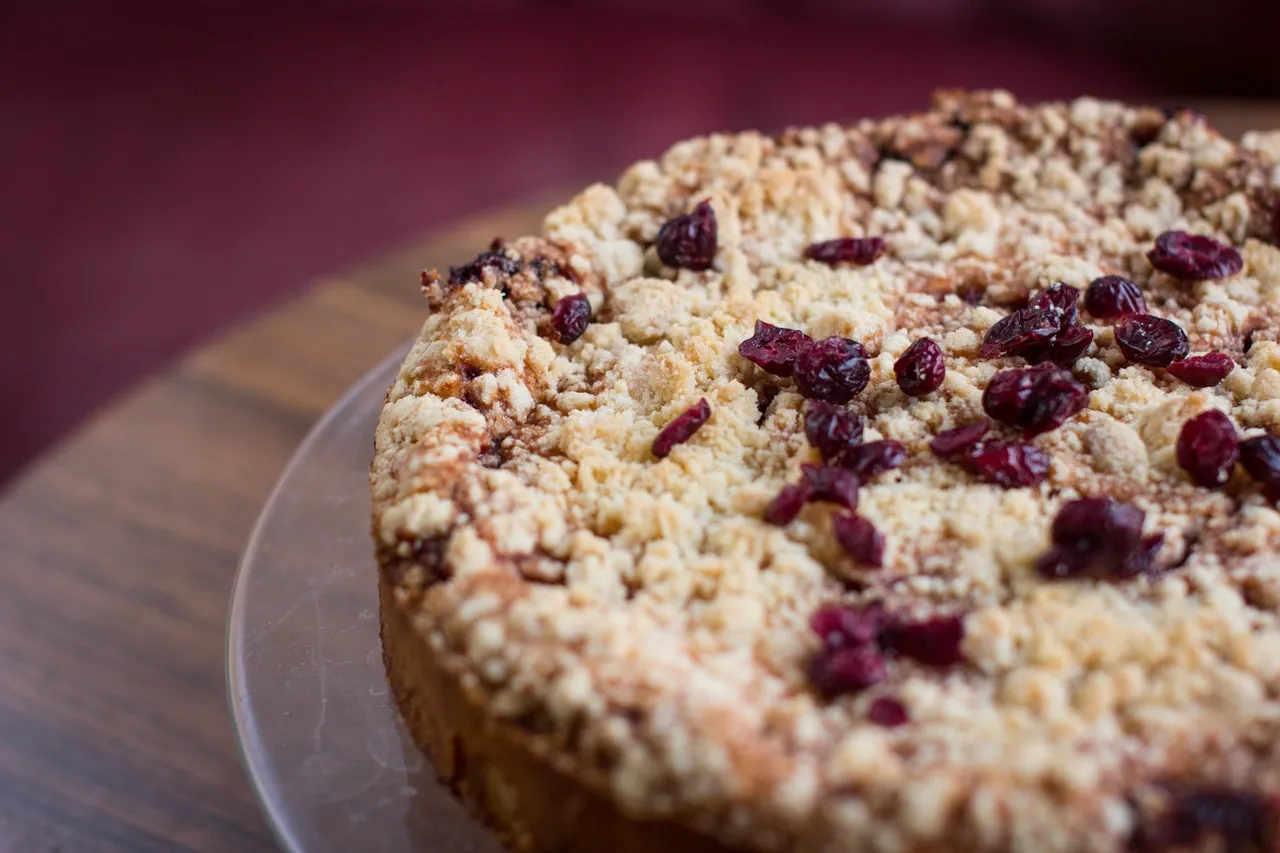
When the evenings draw in and the first apples and pears arrive in the shops, a fruit crumble is one of the most comforting things you can put on the table. It asks very little of the cook: a layer of fruit, a rubbed-in topping and a hot oven. Yet there is a real difference between a crumble with a golden, crunchy lid and one that sinks into a pale, doughy layer. This guide covers the fruit, the topping and the small details that make the difference.
Choosing the fruit
Autumn gives you plenty of choice. Cooking apples such as Bramleys break down into a soft, tangy purée, while firmer dessert apples keep their shape. Many cooks use a mixture of both, so there is some sauce and some bite. Pears work well too, especially when they are ripe but still firm, and plums add colour and a pleasant sharpness. Blackberries are a classic partner for apple, and a handful of frozen berries works perfectly well when fresh ones are out of season.
Cut the fruit into fairly even pieces so it cooks at the same rate. Taste it before you add sugar: sharp cooking apples need more sweetening than ripe pears or sweet plums. A little lemon juice, a pinch of cinnamon or a few gratings of nutmeg is usually all the seasoning the fruit needs.
The classic crumble topping
A traditional topping is made from plain flour, cold butter and sugar, rubbed together with your fingertips until the mixture looks like coarse breadcrumbs. Keep the butter cold and work quickly, so it stays in small pieces rather than melting into a paste. Lift the mixture as you rub it, which keeps it light.
From there it is easy to vary. Swapping some of the flour for rolled oats gives more texture, ground almonds add richness, and chopped hazelnuts or pecans bring extra crunch. Demerara or light brown sugar gives a slightly caramel flavour and a crisper finish than caster sugar. If you like a clumpy, streusel-style topping, squeeze some of the mixture together in your hand before scattering it, so you get a mix of large nuggets and finer crumbs.
How to avoid a soggy crumble
The most common complaint about crumbles is a damp, heavy layer where the topping meets the fruit. A few habits help to prevent it:
- Do not overload the dish with very juicy fruit. Plums and berries release a lot of liquid, so a spoonful of cornflour stirred through them helps the juices thicken.
- Consider cooking very firm fruit briefly in a pan first, then letting it cool a little before adding the topping.
- Scatter the topping loosely rather than pressing it down, so steam can escape.
- Use a dish that gives a reasonably shallow layer, which means more crunchy topping for every portion.
Bake until the top is golden and the fruit juices are bubbling up at the edges. If the topping colours before the fruit is tender, loosely cover the dish with foil for the remaining time.
Making ahead and serving
Crumbles are ideal for planning ahead. You can rub together a large batch of topping and keep it in a bag in the freezer, then scatter it straight onto fruit whenever you need a quick pudding. An assembled crumble can also be frozen before baking, although it will need longer in the oven.
Serve your crumble warm rather than piping hot, so the flavours come through. Custard is the traditional partner, but cream, vanilla ice cream or a spoonful of thick yoghurt are all good options. If you are in an autumn baking mood, our pumpkin pecan cake is another seasonal favourite.
A crumble is forgiving, flexible and perfect for using up whatever fruit is in season. Once you have a topping you like, you will find yourself making it all through the colder months. For more seasonal bakes, take a look at our baking cakes page.